Posts

Showing posts with the label Cranial surgery

Why Cranial Navigation is Revolutionizing Neurosurgical Procedures

Image
  Over the decades, neurosurgery has evolved from rudimentary techniques to highly sophisticated procedures capable of saving countless lives. At the forefront of this transformation is the advent of cranial navigation , a technological marvel that has redefined precision and safety in brain surgeries. By offering real-time, detailed guidance, cranial navigation systems have set new benchmarks in neurosurgical care. Companies like HRS Navigation are leading the charge, crafting advanced systems such as the easyNav™ to provide surgeons with innovative tools for optimizing outcomes across cranial, spinal, and ENT surgeries. 2. What is Cranial Navigation? Definition and Core Principles Cranial navigation refers to a technology-driven approach to neurosurgery that leverages imaging and computational tools to map and guide procedures. It acts as a GPS for the brain, helping surgeons locate and operate on intricate structures with unparalleled accuracy. How Cranial Navigation Works in Pr...
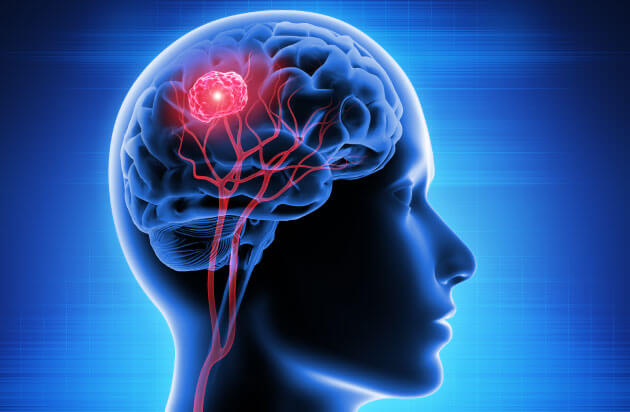
Cranial Surgery: What You Need to Know Before, During, and After the Procedure

Image
  Cranial surgery , often referred to as brain surgery, is a complex and delicate procedure treating various conditions affecting the brain. These conditions include tumors, aneurysms, epilepsy, and traumatic brain injuries, among others. Understanding what to expect before, during, and after the procedure can help patients and their families prepare for this significant medical intervention and navigate the journey with more confidence and peace of mind. Before the Procedure Consultation and Diagnosis The journey begins with a thorough consultation with a neurologist or neurosurgeon. During this initial phase, the patient undergoes several diagnostic tests to pinpoint the exact issue affecting the brain. These tests typically include: Magnetic Resonance Imaging (MRI): This imaging technique provides detailed pictures of the brain’s anatomy and is essential for identifying abnormalities such as tumors or areas of concern. Computed Tomography (CT) Scans: CT scans offer cross-secti...